.png)
What is the best Belay Devices?
When it comes to climbing, safety is everything—and at the heart of that safety is your belay device. These small yet powerful tools allow climbers to control the rope, catch falls, and lower their partners smoothly. At Iventure, we know that choosing the right belay device can feel overwhelming, especially with so many options on the market. Let’s break down the main types of belay devices, their differences, and why mastering an ATC (Air Traffic Controller) is the perfect foundation for becoming a skilled and confident belayer. The Main Types of Belay Devices 1. Tubular Belay Devices (ATC-style) Tubular belay devices are the most versatile and widely used devices in climbing. The Black Diamond ATC is the most popular example, which is why the name has become shorthand for this style. These devices are lightweight, affordable, and compatible with a wide range of rope diameters. They’re also straightforward to use, making them ideal for both beginners and experienced climbers. With an ATC, you can belay a top rope climber, lead belayer, rappel, or even belay two seconds at once if your device has a guide mode.
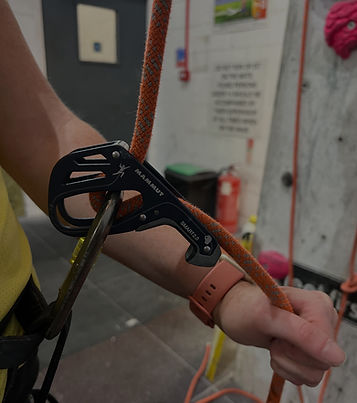
2. Assisted-Braking Belay Devices Assisted-braking devices, like the Petzl GriGri or Mammut Smart, add an extra layer of security. When the climber falls, the device helps lock the rope, reducing the load on the belayer’s hand. They’re especially popular in sport climbing and indoor gyms, where repeated falls are common. However, while assisted-braking devices provide added safety, they require precise handling and shouldn’t replace good belay technique. 3. Auto-Locking or Semi-Automatic Devices These are advanced devices designed with mechanical locking mechanisms, often used in professional guiding or big-wall climbing. They offer excellent safety but can be heavier, more expensive, and less versatile for beginners. Why Start with an ATC? At Iventure, we believe that learning to belay with an ATC gives climbers the strongest foundation. Here’s why: Developing Good Habits: With an ATC, you must actively manage the rope at all times. This builds muscle memory and reinforces proper brake-hand discipline, ensuring you don’t develop bad habits that could slip through when using an assisted-braking device. Versatility: An ATC works in nearly every climbing situation—indoor, outdoor, single pitch, multipitch, top rope, lead, and rappelling. If you learn on an ATC, you’ll be comfortable in any setting. Skill Transfer: Once you master belaying with an ATC, transitioning to a GriGri or other advanced devices is seamless. You’ll already understand rope management and how to catch falls effectively. Confidence & Control: Learning to lower a climber smoothly, catch dynamic falls, and belay attentively builds trust between partners—and that trust is priceless in climbing. Final Thoughts While there are many excellent belay devices out there, the best one depends on your experience level and climbing goals. Assisted-braking devices like the GriGri are fantastic for sport climbers, while an ATC remains the gold standard for learning and all-around use. At Iventure, we encourage all new climbers to start with an ATC—it’s the key to building solid belay skills, confidence, and safety awareness that will serve you throughout your climbing journey.